A Breakthrough Gel That Helps Teeth Heal Themselves
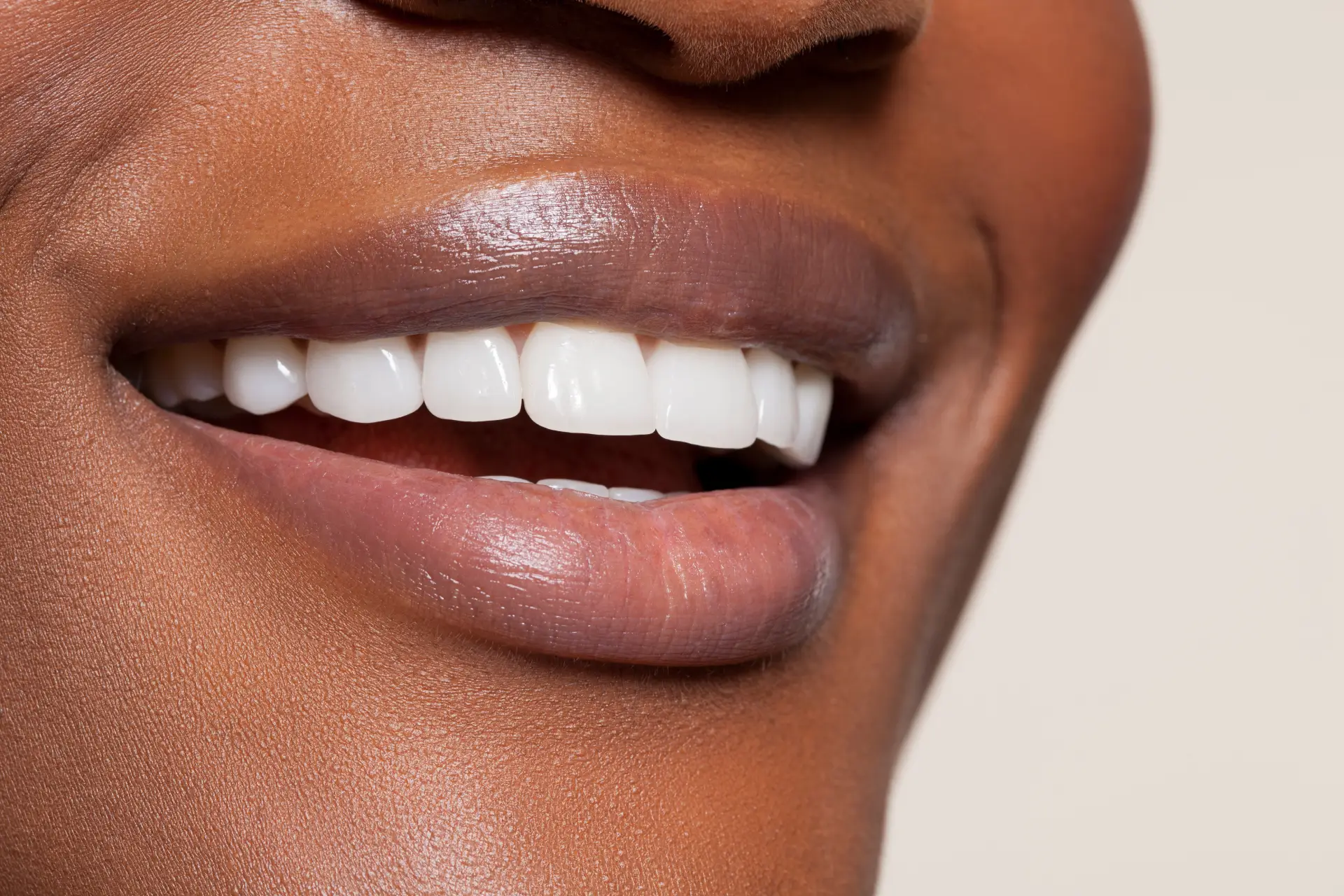
For years dentists have asked the same hopeful question: what if teeth could repair themselves? That idea sounded like science fiction, but recent research is bringing it much closer to real life. Scientists have developed a new protein based gel that can help enamel grow back. Since enamel is the hard outer layer of the tooth and does not naturally regenerate, this discovery could change the way we treat many common dental problems.
The gel works by forming a thin protein layer over weakened enamel. This layer acts like a guide, helping minerals attach and rebuild the surface of the tooth. In early lab studies, the new enamel that formed was strong, closely matched natural tooth structure, and bonded firmly to the original tooth. While these results are still early, they have created real excitement in the dental world.
If future testing continues to look good, this gel could solve several everyday problems. One of the biggest is early decay. Tiny enamel defects often turn into full cavities because the tooth cannot fix itself. A gel that can regrow enamel may be able to seal these weak spots before a patient ever needs a filling. Another major benefit is for people with sensitive teeth. Sensitivity often happens when enamel wears thin, leaving the underlying dentin more exposed. Strengthening or rebuilding that enamel could reduce sensitivity significantly. The gel may also help patients with erosion from acidic foods, drinks, or reflux, which is a growing issue.
The question everyone asks is when people will actually be able to use it. The honest answer is that it will take some time. Before anything becomes available, this technology has to go through full safety testing, human clinical trials, and regulatory approval. Researchers working on the technology have stated they hope to begin clinical trials soon. If those trials go well, a professional product used by dentists could realistically appear in two to five years. Over the counter versions, like toothpastes or home gels, would likely take longer.
Even so, this is a much shorter timeline than many people expected. There are also several research groups working in similar directions, including different types of protein coatings that help minerals attach to teeth. Because of this momentum, many experts believe enamel regrowth products will begin reaching the market sooner rather than later.
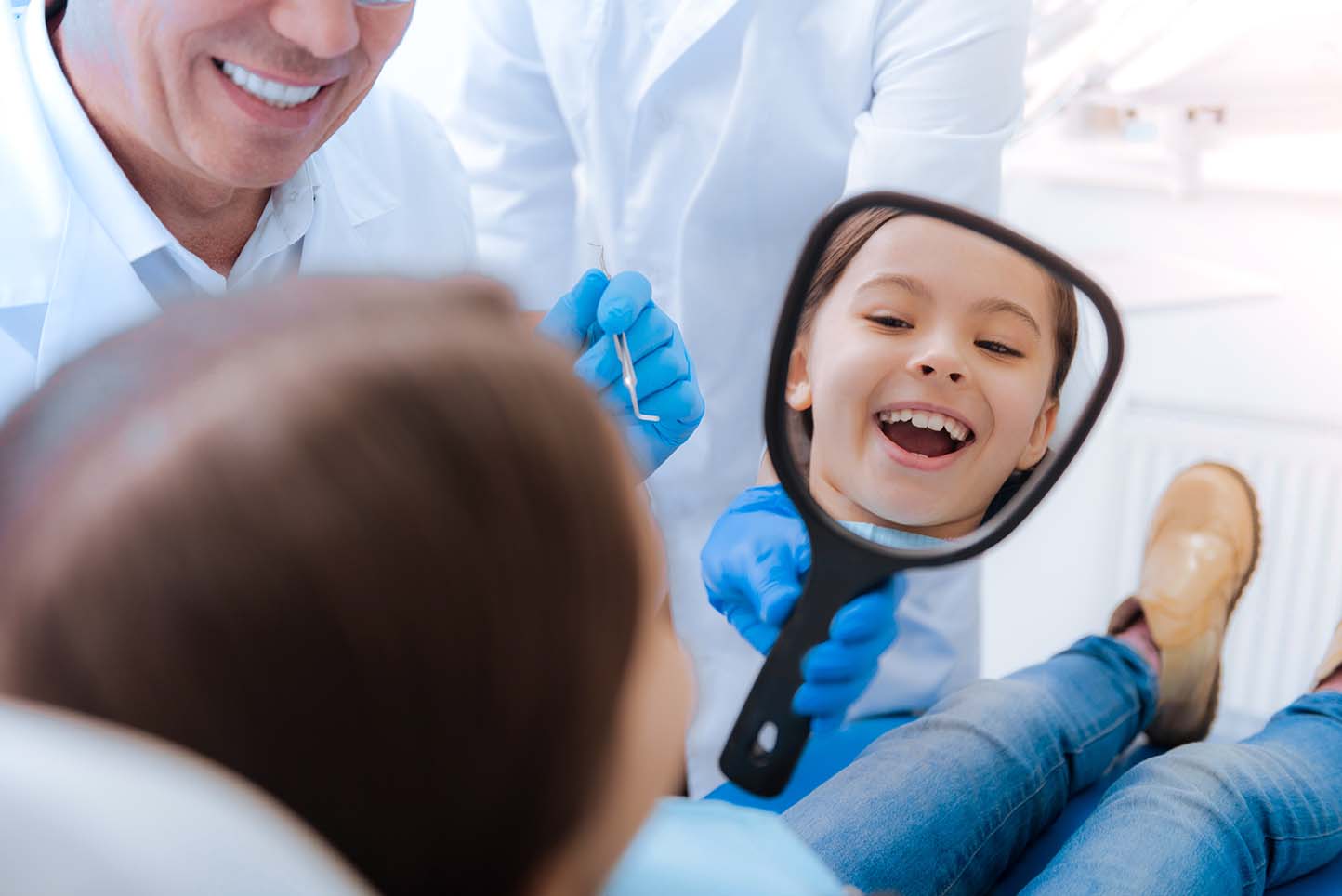
The potential impact is wide. Fewer cavities would mean fewer fillings and fewer crowns over a lifetime. Patients in areas with limited access to dental care could benefit greatly from a treatment that strengthens teeth before major problems develop. Children, who often develop early enamel defects, could receive simple coatings that help protect their teeth as they grow. And adults who struggle with sensitivity or lifelong enamel wear could finally get relief without more invasive procedures.
While there is still work to be done, the message is positive. Enamel regrowth is no longer just an idea. It is a developing technology moving steadily toward real world use. In a few years, a routine dental visit may include a simple gel that helps your teeth repair themselves. And that would be one of the biggest steps forward dentistry has seen in decades.
Related Posts

Snoring Treatment in Fairmount: How a Dentist Can Help You Sleep Quietly Again

What to Do in a Dental Emergency in Grant County and Northern Madison County
How Much Do Dental Implants Cost in Fairmount, Marion, and Anderson Indiana in 2026?