A Brighter Smile: The Truth About Teeth Whitening
Few things can boost your confidence quite like a bright, healthy smile. Over time, however, our teeth naturally lose some of their whiteness. Foods, drinks, habits, and even age itself can leave teeth looking darker than we’d like. That’s where teeth whitening comes in, but before you reach for the nearest whitening product, it’s important to know what works, what doesn’t, and what to expect.
Why Teeth Change Color
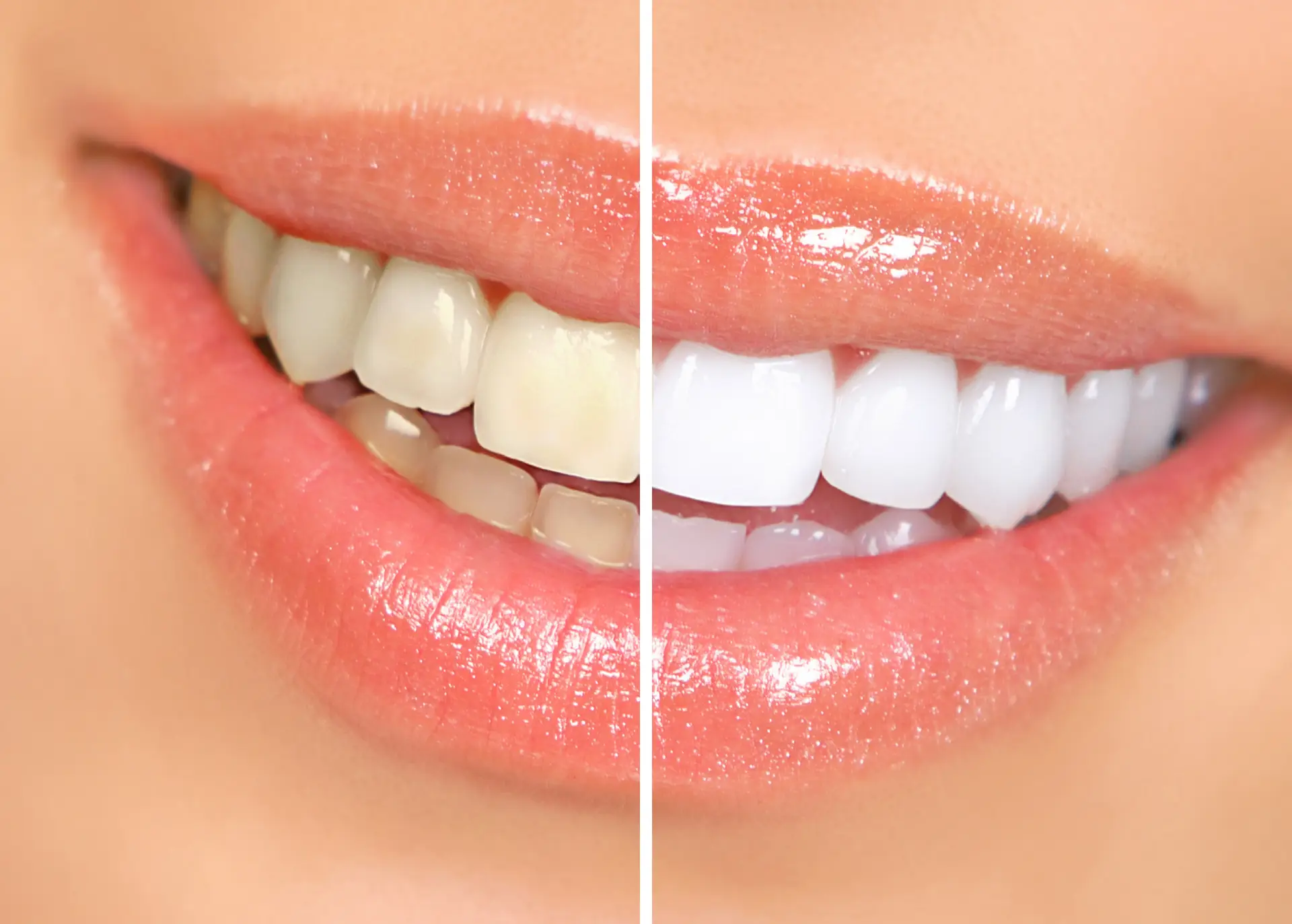
Tooth enamel, the outer layer of our teeth, is naturally a shade of white. Beneath it lies dentin, which is slightly yellow. As enamel thins with age, more dentin shows through. On top of that, dark-colored foods and drinks, coffee, tea, red wine, berries, and even tomato sauce — can stain enamel over time. Tobacco use is another common cause of discoloration.
Some discoloration is surface staining, while other discoloration comes from deeper inside the tooth. The type of stain determines which whitening methods will be effective.
How Whitening Works
Most whitening products use a form of peroxide to break down stains and lighten the tooth color. These products come in many forms: strips, gels, trays, and in-office treatments. The difference between them is usually the strength of the whitening agent and how it’s applied.
Over-the-counter products can be effective for mild surface stains, but they often work more slowly. Professional whitening, done in a dental office, uses a stronger solution and can deliver faster, more noticeable results, especially for deeper stains. However, whitening isn’t permanent. How long results last depends on your habits. Regular coffee drinkers or smokers may notice stains returning sooner.
What Whitening Can and Can’t Do
Whitening works well on natural teeth, but it doesn’t change the color of dental restorations like fillings, crowns, or veneers. That means if you have dental work in your smile zone, you may need to plan around it so everything matches in color.
It’s also important to know that not every tooth responds to whitening. Stains caused by trauma, certain medications, or developmental conditions may not lighten much. In those cases, other cosmetic options, such as bonding or veneers, may be better.
Keeping Your Smile Bright
To get the most from whitening, reduce the habits that cause staining in the first place. Rinse your mouth with water after coffee, tea, or wine. Limit tobacco use, and keep up with regular dental cleanings to remove surface stains before they set in.
And of course, brushing and flossing remain the foundation of a healthy smile. My favorite way to end a visit with a child is to make sure they know they should brush their teeth twice a day for two minutes. For adults, I like to say: you can brush your teeth 24 hours a day, but you’ll never brush in between them, that’s why flossing is essential.
A whiter smile can be a great confidence boost, but a healthy smile will always be the most beautiful.
Related Posts

Snoring Treatment in Fairmount: How a Dentist Can Help You Sleep Quietly Again
What to Do in a Dental Emergency in Grant County and Northern Madison County
How Much Do Dental Implants Cost in Fairmount, Marion, and Anderson Indiana in 2026?