
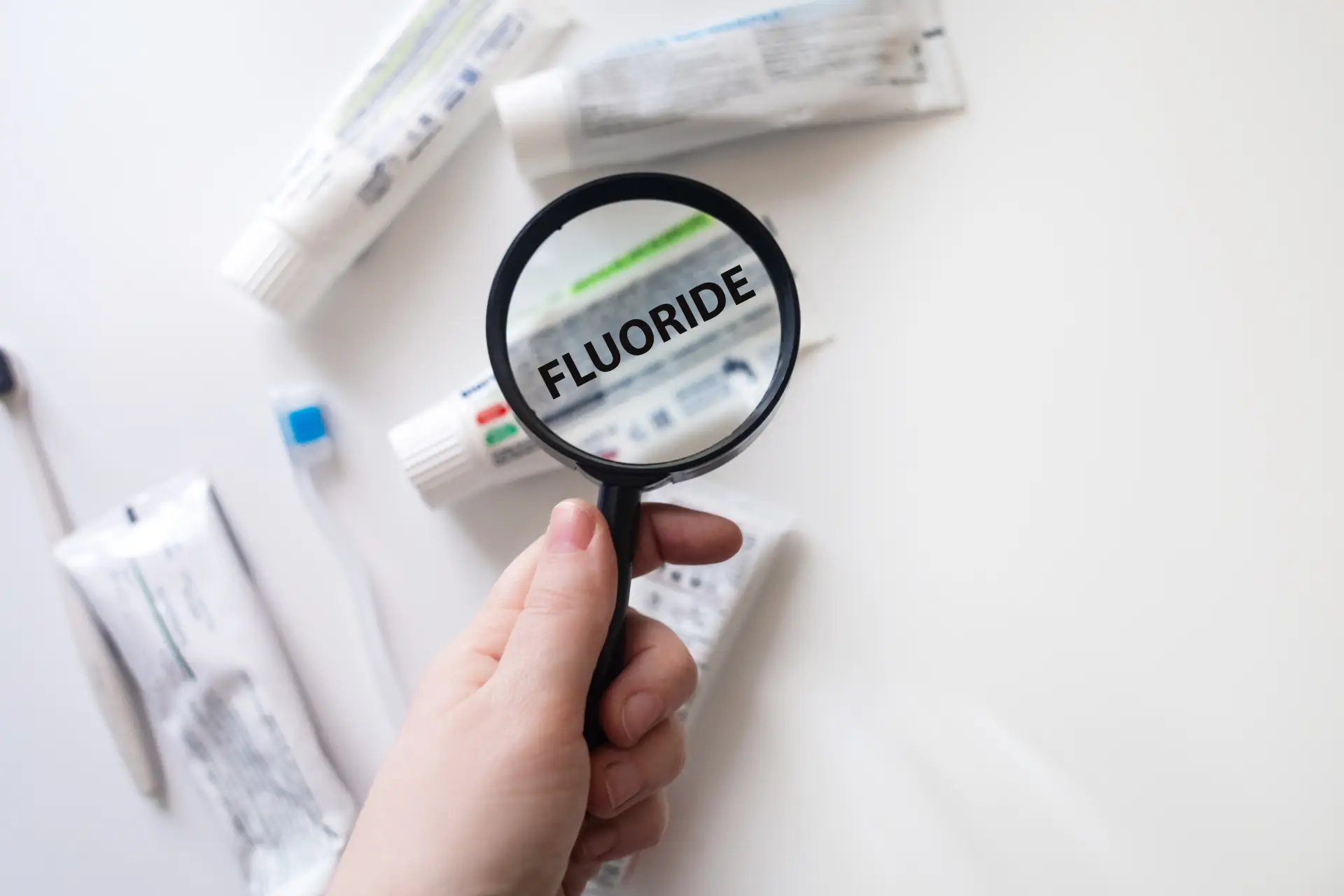
Fluoride in 2025: What Every Patient Should Know
Fluoride has been a trusted ally in protecting teeth for more than seventy years, but in 2025 the conversation around this mineral looks different than it did even a decade ago. With new delivery systems, evolving research, and a swirl of online claims, many patients are asking what is fact and what is fiction. Understanding the current science can help people make informed decisions about their own oral health.
At its core fluoride is a naturally occurring mineral that strengthens tooth enamel and makes it more resistant to decay. Most Americans still receive fluoride through public water supplies and through products such as toothpaste and mouth rinses. What has changed in 2025 is the variety of ways dentists can provide fluoride directly in the office. Today there are varnishes that harden almost instantly, slow release gels that continue working for hours, and prescription strength rinses for high risk patients. These advances allow professionals to tailor prevention to the individual rather than relying on a single one size fits all approach.
Another change is the way fluoride is paired with other protective agents. Some new toothpastes and professional treatments combine fluoride with calcium, phosphate, or nano-hydroxyapatite to help rebuild early damage to enamel. Clinical studies published over the last few years show that these combinations may reduce the rate of new cavities more effectively than fluoride alone, particularly for children, older adults, and people with dry mouth caused by medications.
While the science continues to progress, public debate about fluoride has also intensified. Social media platforms host countless claims that fluoride is harmful, but the vast majority of high quality research still supports its safety at recommended levels. Large population studies have found that fluoridated water lowers cavity rates without increasing risks to general health. The U.S. Public Health Service and major dental organizations continue to endorse community water fluoridation as one of the most cost effective public health measures.
Recent research gives further reassurance. A University of Queensland study following people aged 16 to 26 who during early childhood had exposure to fluoridated water found no negative impact on cognitive development or IQ, on the contrary those with consistent exposure scored slightly higher on average. (ADA News)
For patients who prefer to limit their fluoride exposure, dentists can discuss alternative strategies such as sealants, dietary counseling, and more frequent cleanings. However, it is important to remember that these measures usually supplement rather than replace fluoride’s protective effect. Simply switching to a nonfluoridated toothpaste without other changes may lead to an increased risk of decay.
In practical terms the best course of action in 2025 is to talk with your dental team about your individual risk factors. Ask whether you need additional fluoride beyond what is in your toothpaste and water, or whether a prescription product might help. If you have concerns about safety, request credible scientific resources rather than relying on online posts.
Fluoride has evolved from a basic cavity fighter into a customizable preventive tool. By staying informed and working with professionals, patients can use it wisely to protect their teeth well into the future. Below are some references you can use to further your reading and understanding of fluoride. Hope your day is full of smiles!
References
American Dental Association. Making America Healthy Means Keeping Water Fluoridated. ADA Press Release, April 7, 2025. Available at: https://www.ada.org/about/press-releases/making-america-healthy-means-keeping-water-fluoridated
Taylor KW, et al. Fluoride Exposure and Children’s IQ Scores: A Systematic Review and Meta-Analysis. JAMA Pediatrics. Published online 2024. Available at: https://jamanetwork.com/journals/jamapediatrics/fullarticle/2828425
American Dental Association. Study finds early-life exposure to fluoride does not affect children’s brain development. ADA News, December 21, 2024. Available at: https://adanews.ada.org/ada-news/2024/december/study-finds-early-life-exposure-to-fluoride-does-not-affect-children-s-brain-development (ADA News)
Related Posts

Snoring Treatment in Fairmount: How a Dentist Can Help You Sleep Quietly Again

What to Do in a Dental Emergency in Grant County and Northern Madison County
How Much Do Dental Implants Cost in Fairmount, Marion, and Anderson Indiana in 2026?