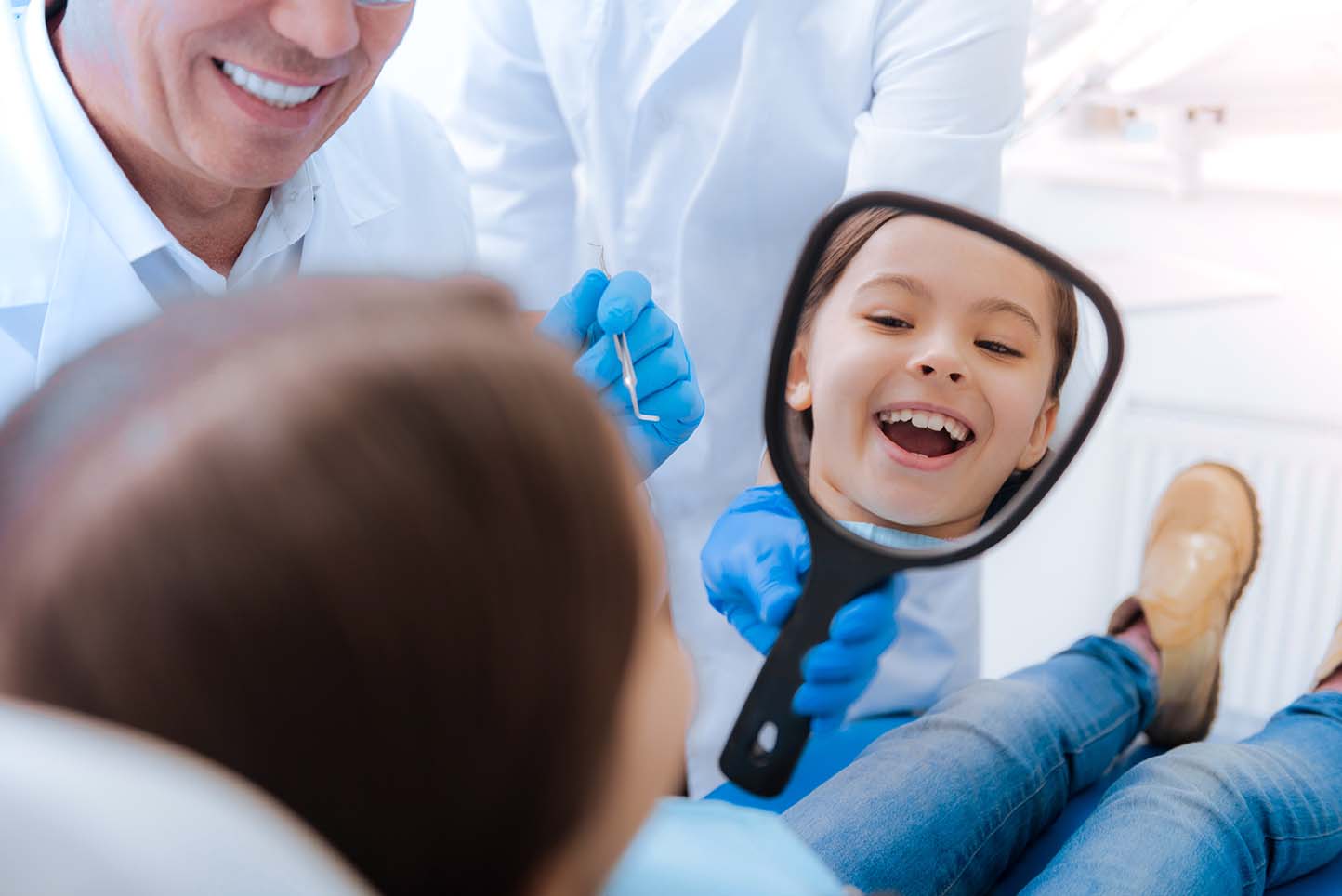

The Humble Toothbrush: Small Tool, Big Impact
Sometimes the smallest things in our daily routines have the biggest effect on our health. The toothbrush is a perfect example. It’s simple, affordable, and takes only a couple of minutes to use, yet it’s one of the most important tools we have for protecting our teeth and gums.
A Brief History of the Toothbrush
The idea of cleaning teeth is far from new. Ancient civilizations used twigs, feathers, and even animal bones to remove debris from their mouths. The first bristle toothbrush, as we know it, appeared in China in the 1400s, made from hog hair attached to a bamboo handle. By the 20th century, nylon bristles had replaced animal hair, creating the modern toothbrush. Today, we have a dizzying variety to choose from: manual, electric, charcoal-infused, soft, medium, angled, and more.
Manual vs. Electric
One of the most common questions people ask is whether an electric toothbrush is better than a manual one. The short answer: both can work well, as long as they’re used correctly. Electric toothbrushes often make it easier to clean thoroughly, especially for people with limited hand mobility or those who tend to brush too quickly. Many also include timers and pressure sensors to help avoid overbrushing. Manual toothbrushes, however, are inexpensive, portable, and effective in the hands of someone who’s committed to proper technique.
Bristle Type Matters
Soft bristles are the gold standard. Hard or even medium bristles can wear down enamel and irritate gums if used with too much force. Soft bristles are gentle enough to protect your gumline while still removing plaque effectively. If you’ve ever wondered why dentists almost always recommend “soft,” it’s because your teeth need cleaning, not scrubbing.
Technique Over Time
You’ve probably heard the two-minute rule: brush for two minutes, twice a day. But how you brush matters just as much as how long you brush. Hold your brush at a 45-degree angle to your gums and use short, gentle strokes. Cover all surfaces, the fronts, the backs, and the chewing surfaces, and don’t forget your tongue, where bacteria love to hide.
When to Replace Your Toothbrush
A toothbrush isn’t a lifetime investment. Over time, bristles fray and lose their cleaning power. Replace your toothbrush (or the head of your electric brush) every three to four months, or sooner if you notice the bristles splaying outward. A worn toothbrush can’t do its job effectively, and in some cases, it can even harbor bacteria.
Specialty Brushes
There are brushes designed for almost every need: orthodontic brushes for braces, end-tuft brushes for hard-to-reach spots, and travel brushes for on-the-go care. While they’re not necessary for everyone, they can make a difference for people with specific dental situations.
A Simple Habit with Lifelong Benefits
The toothbrush may be small, but its impact is huge. Using it daily, and using it well, is one of the easiest, most effective ways to keep your teeth healthy for a lifetime. It’s a habit worth protecting.
Related Posts

Snoring Treatment in Fairmount: How a Dentist Can Help You Sleep Quietly Again
What to Do in a Dental Emergency in Grant County and Northern Madison County
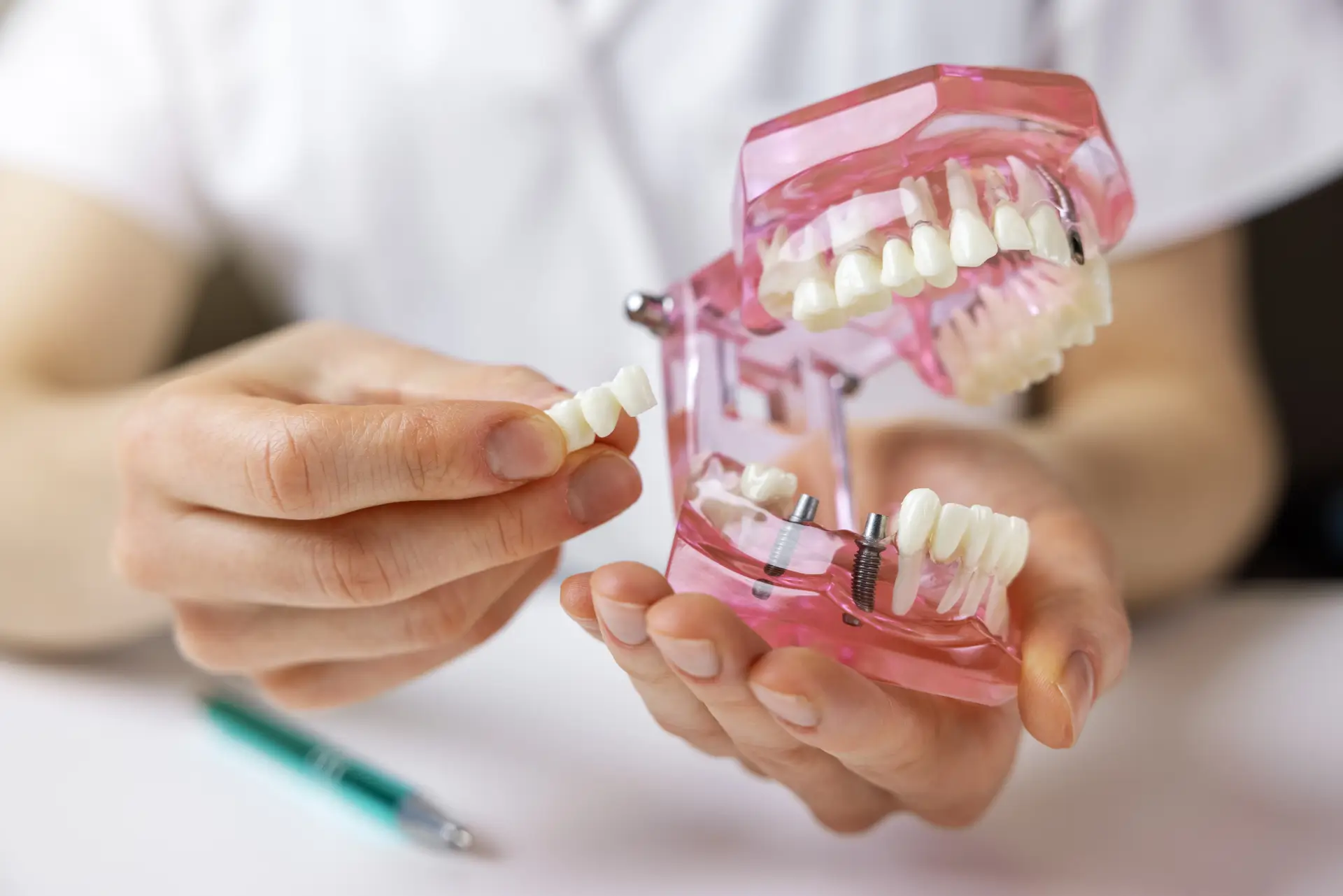
How Much Do Dental Implants Cost in Fairmount, Marion, and Anderson Indiana in 2026?