
Why You Might Need a Root Canal: Separating Fact from Fear
Few dental procedures have a reputation as intimidating as the root canal. The phrase alone can make people wince. Yet modern root canal treatment is one of the most effective ways to relieve dental pain, save a natural tooth, and restore normal chewing and smiling. Understanding why a root canal is needed, and what it’s really like, can ease much of that anxiety.
What Is a Root Canal, and Why Is It Needed?
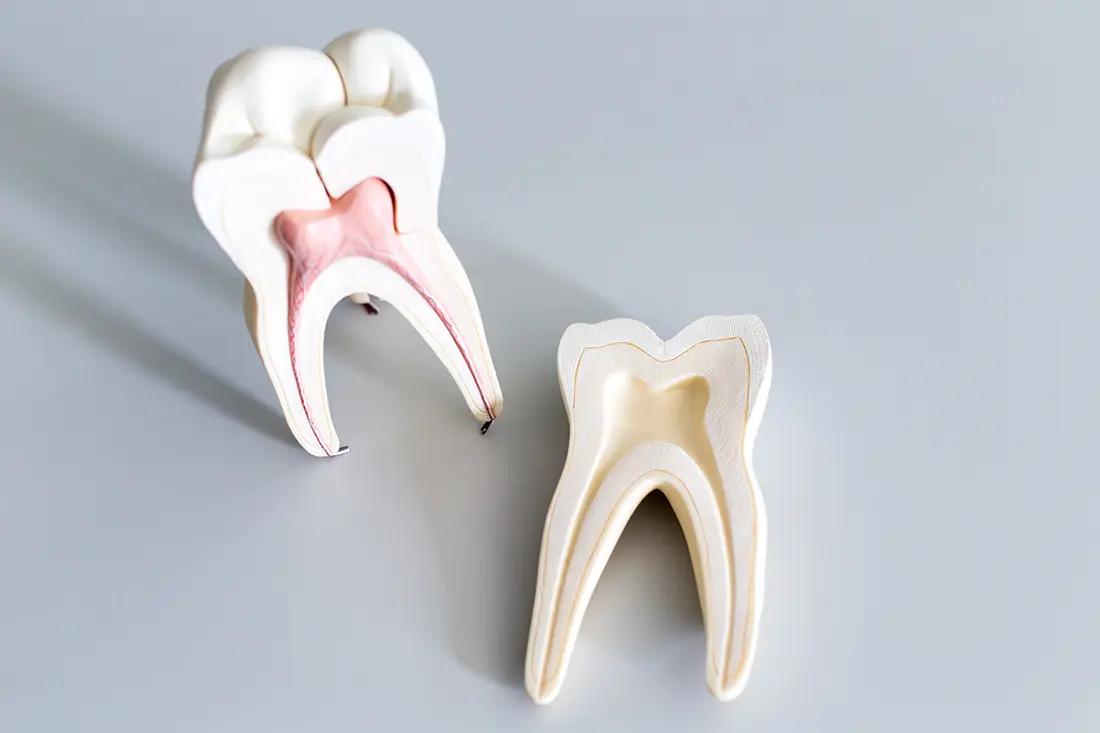
Inside every tooth is a soft tissue called the pulp, which contains nerves and blood vessels. When this pulp becomes infected or inflamed, a root canal may be necessary. Common causes include deep cavities, cracked or chipped teeth, repeated dental procedures on the same tooth, or trauma, even years after an injury.
Left untreated, an infected tooth can cause significant pain, swelling, bone loss around the root, and even spread infection to other parts of the body. A root canal removes the infected pulp, cleans and seals the inside of the tooth, and allows the tooth to remain in place rather than being extracted.
What About the Pain?
One of the biggest myths about root canals is that they are painful. In reality, the pain people associate with root canals usually comes from the infection, not the treatment. Modern techniques and local anesthesia make the procedure itself comparable to getting a routine filling.
Before treatment, patients may experience symptoms such as severe toothache, sensitivity to hot or cold, pain when biting, or swelling of the gums or face. After the procedure, mild soreness or tenderness is common for a few days, especially when chewing, but it is usually manageable with over-the-counter pain relievers.
Recovery Time: What to Expect
Recovery from a root canal is typically quick. Most patients return to work or normal activities the same day or the following day. Dentists often recommend avoiding chewing on the treated tooth until it is fully restored, usually with a crown, to prevent cracking.
Some tenderness can last a few days, but sharp or worsening pain is uncommon and should be reported to your dentist. Overall, recovery is far easier than many people expect.
How Long Does a Root Canal Last?
When properly performed and restored, a root canal-treated tooth can last many years, and often a lifetime. The key factors are good oral hygiene, regular dental checkups, and placing a permanent restoration such as a crown when recommended. Without a crown, treated teeth can become brittle and more likely to fracture.
The Big Picture
A root canal isn’t something to fear, it’s something to appreciate. The procedure relieves pain, eliminates infection, and preserves your natural tooth, which is almost always better than extraction and replacement. Thanks to advances in dental technology, root canals today are predictable, comfortable, and highly successful.
If you’re experiencing persistent tooth pain or sensitivity, don’t ignore it. Early evaluation can make treatment simpler and help you keep your smile healthy for years to come.
Related Posts

Snoring Treatment in Fairmount: How a Dentist Can Help You Sleep Quietly Again

What to Do in a Dental Emergency in Grant County and Northern Madison County
How Much Do Dental Implants Cost in Fairmount, Marion, and Anderson Indiana in 2026?